Punch-Drunk Love(dir. Paul Thomas Anderson)
First Take:
Paul Thomas Anderson failed me on this one. He seemed more interested in his style than actually presenting a story. There was some scenes I cracked a smile, but I think this just went over my head. I'll probably rewatch in a couple of weeks because a reviewer at DVDEmpire said he didn't like it the first time so I'll give it another try later. For now its....
** out of ****
Second Take:
Review Pending...
***1/2 out of ****
Showing posts with label pt anderson. Show all posts
Showing posts with label pt anderson. Show all posts
Friday, March 14, 2008

Sunday, January 20, 2008
Oh DDL...
There Will Be Blood(dir. Paul Thomas Anderson)
I have been wanting to see this movie since the teaser trailer came out in the middle of June, which I watched practically religiously along with every other trailer/TV spot afterwards, so to say my expectations for the film were monumental would be an understatement. I was seriously preparing for what I thought could possibly be the greatest film ever made and the extremely positive reviews only factored into my excitement to finally be able to see this film and then I saw it recently and it all came crashing down. I pretty much set myself up for disappointment from the get go, but man, that teaser trailer is incredible. The film as a whole relied on Daniel Day-Lewis' performance, which has been getting all sorts of accolades and is pretty much a lock for an Oscar, but I'm not convinced that it's a great performance. It's certainly a big, showy, and amusing performance and you have to give him credit for diving into this character so wholeheartedly, but the character is such a frustrating cipher that the film never really makes up it's mind about that his performance just feels evasive of truly going deeper into this character besides skimming the surface. He's basically all grimace. While his actions are perhaps scary to some, the film's horror film texture doesn't really work with his performance. Sure, he's supposed to be scary and sinister at given moments, but he's better at garnering laughs than garnering scares. The comedic side of this film doesn't get all that much attention from reviews. Much of the brunt of the comedy comes from Plainview's reaction to Eli Sunday and his religious ceremonies. I think it's pretty much impossible not to laugh at that freak show of a baptism in the film's final hour or even the ending, which has divided viewers and critics alike, but the film's view on religion is just too negative to have this whole capitalism vs. religion boxing match work all that well. Religion is being lead by Eli Sunday, who is simply ill equipped to handle Daniel Plainview's form of capitalism, and the picture as a whole doesn't really dwell on this aspect of it's story all that much, which makes it surprising to read all the reviews that go on and on about that aspect of the film. There's probably about six scenes with him and Eli including it's ending, which I assume is primarily the reason for all this talk. The ending works splendidly as comedy, but you get a sense that Anderson wants it to ring tragic somehow. The whole final hour or so seems to be setting up Plainview as this tragic figure, but does he really deserve our sympathy? Anderson splicing in a little bit of his memory of H.W. after seeing his son seems to suggest that Plainview realizes there's nothing he can do to change his relationship with his son so he ends up severing his ties with him as a way to evade being reminded of the guilt for abandoning him and then here comes Eli to be his personal punching bag once again. Their relationship is a little shallow and is not all that stimulating intellectually. Their "boxing match" never feels like one. There's no sense that they're trying to fuck each other over, it's in a way a symbiotic(or parasitic) relationship that sometimes have one of them slap the other like say the baptism scene or when Eli asks Daniel for money after his son's eardrums pop. Paul Dano is also not an actor that could really stand a chance to Day-Lewis' because of a certain lack of conviction with his character. The performance is almost tongue-in-cheek while Daniel Day-Lewis' skirts that fine line of parody throughout the entire film until finally going there in the film's outlandish ending, you never get a sense that Daniel Day-Lewis is laughing after performing a scene like you do with Dano. Then there's the film's direction, which has been receiving all sort of accolades as well. There's some definite great scenes in the film, one found in the midpoint of the film that is the centerpiece that is probably the greatest sequence Paul Thomas Anderson has ever directed along with the silent oil segment in the film's first 20 minutes, but after that midpoint much like a film by another Anderson, it starts to decline, but unlike that Anderson's film that felt totally controlled(perhaps painfully so), it starts to wan and become more messy and less focused. Even though the film has some great scenes in it's lengthy running time, it never really adds up to anything much because we never truly grow to understand the film's central character and his actions. You could say Anderson is challenging the viewer especially with it's ending, but that's the problem with the film. It's never all that challenging morally or intellectually. The film's basic message could be summed up as "capitalism can turn you into an unsympathetic prick that is capable of killing someone with a fucking bowling pin." There's an element in the plot that if it was further developed could have made this character more complex and sympathetic, but Anderson didn't know what quite to do with it since it goes nowhere. That element was his relationship with Eli's sister, Mary. Mary could be considered the saint of the picture since there's a certain martyr-ish quality to her character for marrying H.W. and embracing Daniel after his baptism, which is the most humanistic, beautiful, and fleeting moment in the film. You could easily picture that scene being more engaging if Daniel's relationship with her was further developed outside of him making sure that she doesn't get beat by her father, which mainly came from his love and feeling of obligation to his son as a parent. The film as a whole is packed with moments of brilliance that doesn't lead to anywhere all that poignant emotionally or intellectually. As you walk out of the theater, you start to feel cold and think of what it could have been more than how great those handful of scenes were. The controversial ending is really not all that controversial if you've seen films like The Wayward Cloud and Twentynine Palms that provided endings that were great jumping off points for discussion. This ending just comes across as amusing yet totally disposable. It's there for a good laugh, but to say it's thought-provoking would be a little much. It might become more profound with a rewatch, but for now, it's far from a masterpiece. It's a rather standard story of greed consuming an individual to the point that he starts to look less like a human and more like a monster. I slightly recommend.
**1/2 out of ****
I have been wanting to see this movie since the teaser trailer came out in the middle of June, which I watched practically religiously along with every other trailer/TV spot afterwards, so to say my expectations for the film were monumental would be an understatement. I was seriously preparing for what I thought could possibly be the greatest film ever made and the extremely positive reviews only factored into my excitement to finally be able to see this film and then I saw it recently and it all came crashing down. I pretty much set myself up for disappointment from the get go, but man, that teaser trailer is incredible. The film as a whole relied on Daniel Day-Lewis' performance, which has been getting all sorts of accolades and is pretty much a lock for an Oscar, but I'm not convinced that it's a great performance. It's certainly a big, showy, and amusing performance and you have to give him credit for diving into this character so wholeheartedly, but the character is such a frustrating cipher that the film never really makes up it's mind about that his performance just feels evasive of truly going deeper into this character besides skimming the surface. He's basically all grimace. While his actions are perhaps scary to some, the film's horror film texture doesn't really work with his performance. Sure, he's supposed to be scary and sinister at given moments, but he's better at garnering laughs than garnering scares. The comedic side of this film doesn't get all that much attention from reviews. Much of the brunt of the comedy comes from Plainview's reaction to Eli Sunday and his religious ceremonies. I think it's pretty much impossible not to laugh at that freak show of a baptism in the film's final hour or even the ending, which has divided viewers and critics alike, but the film's view on religion is just too negative to have this whole capitalism vs. religion boxing match work all that well. Religion is being lead by Eli Sunday, who is simply ill equipped to handle Daniel Plainview's form of capitalism, and the picture as a whole doesn't really dwell on this aspect of it's story all that much, which makes it surprising to read all the reviews that go on and on about that aspect of the film. There's probably about six scenes with him and Eli including it's ending, which I assume is primarily the reason for all this talk. The ending works splendidly as comedy, but you get a sense that Anderson wants it to ring tragic somehow. The whole final hour or so seems to be setting up Plainview as this tragic figure, but does he really deserve our sympathy? Anderson splicing in a little bit of his memory of H.W. after seeing his son seems to suggest that Plainview realizes there's nothing he can do to change his relationship with his son so he ends up severing his ties with him as a way to evade being reminded of the guilt for abandoning him and then here comes Eli to be his personal punching bag once again. Their relationship is a little shallow and is not all that stimulating intellectually. Their "boxing match" never feels like one. There's no sense that they're trying to fuck each other over, it's in a way a symbiotic(or parasitic) relationship that sometimes have one of them slap the other like say the baptism scene or when Eli asks Daniel for money after his son's eardrums pop. Paul Dano is also not an actor that could really stand a chance to Day-Lewis' because of a certain lack of conviction with his character. The performance is almost tongue-in-cheek while Daniel Day-Lewis' skirts that fine line of parody throughout the entire film until finally going there in the film's outlandish ending, you never get a sense that Daniel Day-Lewis is laughing after performing a scene like you do with Dano. Then there's the film's direction, which has been receiving all sort of accolades as well. There's some definite great scenes in the film, one found in the midpoint of the film that is the centerpiece that is probably the greatest sequence Paul Thomas Anderson has ever directed along with the silent oil segment in the film's first 20 minutes, but after that midpoint much like a film by another Anderson, it starts to decline, but unlike that Anderson's film that felt totally controlled(perhaps painfully so), it starts to wan and become more messy and less focused. Even though the film has some great scenes in it's lengthy running time, it never really adds up to anything much because we never truly grow to understand the film's central character and his actions. You could say Anderson is challenging the viewer especially with it's ending, but that's the problem with the film. It's never all that challenging morally or intellectually. The film's basic message could be summed up as "capitalism can turn you into an unsympathetic prick that is capable of killing someone with a fucking bowling pin." There's an element in the plot that if it was further developed could have made this character more complex and sympathetic, but Anderson didn't know what quite to do with it since it goes nowhere. That element was his relationship with Eli's sister, Mary. Mary could be considered the saint of the picture since there's a certain martyr-ish quality to her character for marrying H.W. and embracing Daniel after his baptism, which is the most humanistic, beautiful, and fleeting moment in the film. You could easily picture that scene being more engaging if Daniel's relationship with her was further developed outside of him making sure that she doesn't get beat by her father, which mainly came from his love and feeling of obligation to his son as a parent. The film as a whole is packed with moments of brilliance that doesn't lead to anywhere all that poignant emotionally or intellectually. As you walk out of the theater, you start to feel cold and think of what it could have been more than how great those handful of scenes were. The controversial ending is really not all that controversial if you've seen films like The Wayward Cloud and Twentynine Palms that provided endings that were great jumping off points for discussion. This ending just comes across as amusing yet totally disposable. It's there for a good laugh, but to say it's thought-provoking would be a little much. It might become more profound with a rewatch, but for now, it's far from a masterpiece. It's a rather standard story of greed consuming an individual to the point that he starts to look less like a human and more like a monster. I slightly recommend.
**1/2 out of ****
Saturday, June 24, 2006
Week in Review #1
I'm gonna watch a movie a day except Sundays and read a book a week. I am then gonna review all of it on here.
Book:

Breakfast of Champions By Kurt Vonnegut
The book was interesting, but I was never stirred up emotionally. This book however is beyond criticism since it realizes this in the book itself. Kurt Vonnegut wrote himself in the book and talked about books that explain everything are stupid. This book describes everything about everyone in it from past to their measurements. It was pretty entertaining and better than Cat's Cradle, but definately worse than Slaughterhouse-five.
*** out of ****
Movies:
I'm gonna rank the ones from best to worst of this week.
1. Landscape in the Mist

I love these types of movies that seemed grounded in realism, but have surreal events and images that occur in them. One particular scene deals with a hand coming out of the water which was eerie yet brilliant. It reminded me of La Dolce Vita when the helicopter took it away. It was the longest movie I saw this week, but seemed to go by fast. This was my first film by Theo Angelopoulos and I hope to see more by him.
**** out of ****
2. Kanal
Andrjez Wajda directed one of my favorite films, Ashes and Diamonds. This film is considered one of his masterpieces and some prefer this to Ashes and Diamonds. I prefer Ashes and Diamonds still, but I can easily understand people's preferences. This is one of the grimmest depictions of war I've ever seen which seems rather odd with the lack of violence compared to modern films. It showed war as dehumanizing and degrading. A group of resistance fighters have to take to the sewers or they die. They all die anyways which makes it even worse. It was amazing.
**** out of ****
3. The Virgin Suicides

Sofia Coppola is one of my favorite modern directors just because of Lost in Translation. Some thought it was boring, but I loved the style and atmoshphere the film had. I expected more out of this film, but I wasn't too disappointed. The style and atmosphere was almost as enjoyable, but from the previews and pictures, I was just expecting more. The soundtrack was pretty bitching. It was really good and I was glad I bought it.
**** out of ****
4. Punch-Drunk Love

Paul Thomas Anderson failed me on this one. He seemed more interested in his style than actually presenting a story. There was some scenes I cracked a smile, but I think this just went over my head. I'll probably rewatch in a couple of weeks because a reviewer at DVDEmpire said he didn't like it the first time so I'll give it another try later. For now its....
** out of ****
5?. Mirror

This film is directed by Andrei Tarkovsky who directed Andrei Rublev. This film just seemed way too difficult for me. It didn't seem indulgent just too difficult. It was a new type of cinematic language that I have never seen before. There is a plot somewhat built off of his memories and so on. I definately need to rewatch it.
**? out of ****
Book:

Breakfast of Champions By Kurt Vonnegut
The book was interesting, but I was never stirred up emotionally. This book however is beyond criticism since it realizes this in the book itself. Kurt Vonnegut wrote himself in the book and talked about books that explain everything are stupid. This book describes everything about everyone in it from past to their measurements. It was pretty entertaining and better than Cat's Cradle, but definately worse than Slaughterhouse-five.
*** out of ****
Movies:
I'm gonna rank the ones from best to worst of this week.
1. Landscape in the Mist
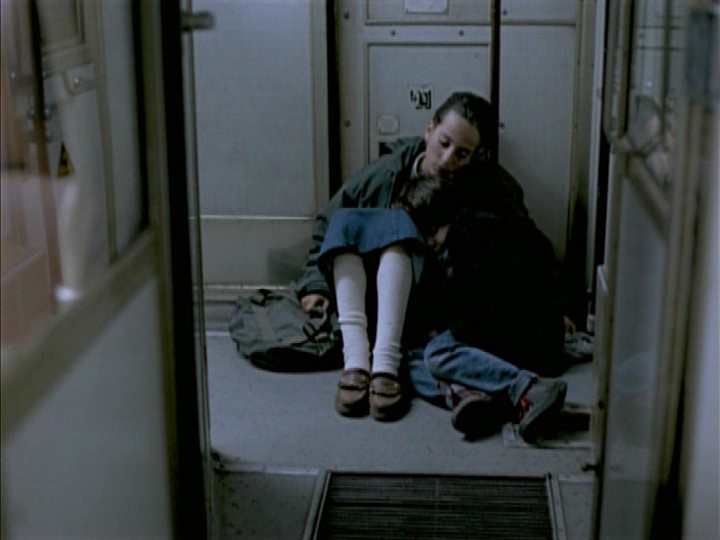
I love these types of movies that seemed grounded in realism, but have surreal events and images that occur in them. One particular scene deals with a hand coming out of the water which was eerie yet brilliant. It reminded me of La Dolce Vita when the helicopter took it away. It was the longest movie I saw this week, but seemed to go by fast. This was my first film by Theo Angelopoulos and I hope to see more by him.
**** out of ****
2. Kanal
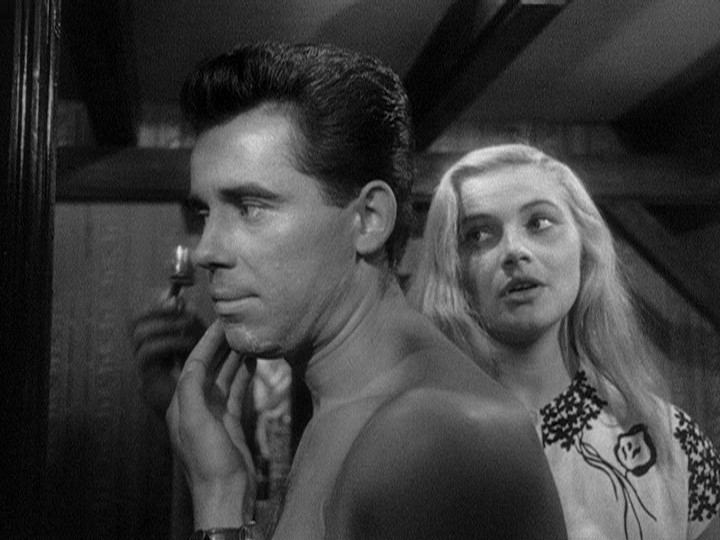
Andrjez Wajda directed one of my favorite films, Ashes and Diamonds. This film is considered one of his masterpieces and some prefer this to Ashes and Diamonds. I prefer Ashes and Diamonds still, but I can easily understand people's preferences. This is one of the grimmest depictions of war I've ever seen which seems rather odd with the lack of violence compared to modern films. It showed war as dehumanizing and degrading. A group of resistance fighters have to take to the sewers or they die. They all die anyways which makes it even worse. It was amazing.
**** out of ****
3. The Virgin Suicides

Sofia Coppola is one of my favorite modern directors just because of Lost in Translation. Some thought it was boring, but I loved the style and atmoshphere the film had. I expected more out of this film, but I wasn't too disappointed. The style and atmosphere was almost as enjoyable, but from the previews and pictures, I was just expecting more. The soundtrack was pretty bitching. It was really good and I was glad I bought it.
**** out of ****
4. Punch-Drunk Love
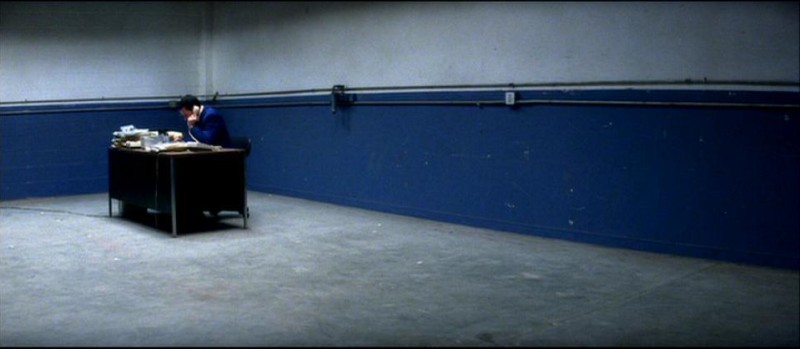
Paul Thomas Anderson failed me on this one. He seemed more interested in his style than actually presenting a story. There was some scenes I cracked a smile, but I think this just went over my head. I'll probably rewatch in a couple of weeks because a reviewer at DVDEmpire said he didn't like it the first time so I'll give it another try later. For now its....
** out of ****
5?. Mirror
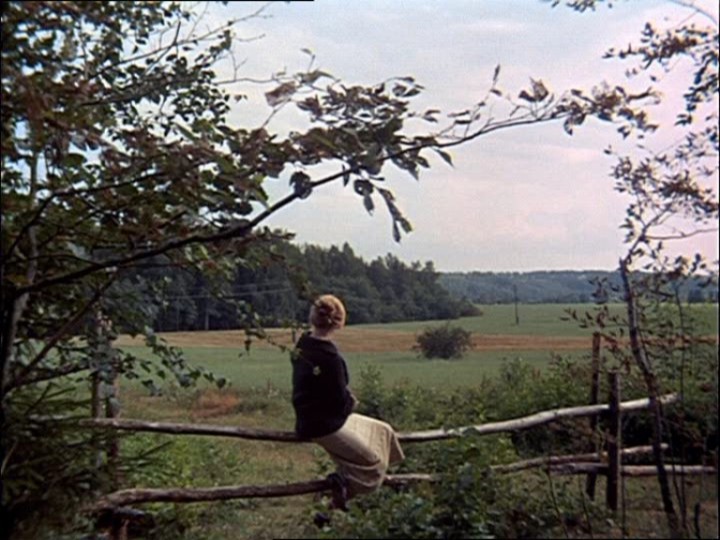
This film is directed by Andrei Tarkovsky who directed Andrei Rublev. This film just seemed way too difficult for me. It didn't seem indulgent just too difficult. It was a new type of cinematic language that I have never seen before. There is a plot somewhat built off of his memories and so on. I definately need to rewatch it.
**? out of ****
Sunday, June 18, 2006
Hard Eight (Sydney) Review
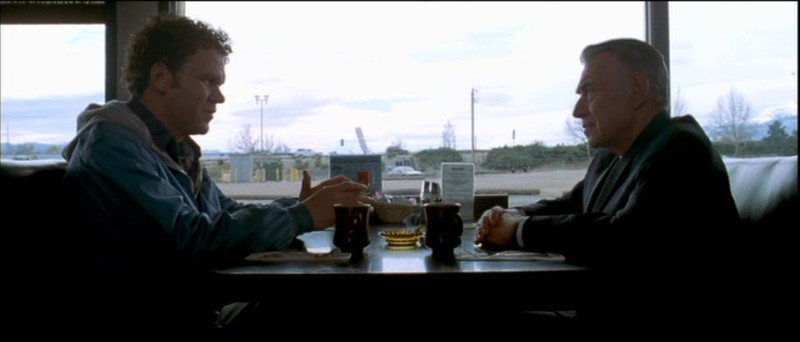
Paul Thomas Anderson is probably my favorite director that came out of the 90's. He has a dark side to his films, but he doesn't dwell on it to be edgy. It just seems like reality. Sure, a reality that he wants to show us, but all directors are like that. All good directors are like that. This was his first. It stars many actors that he would reuse for later films which are John C. Reily, Phillip Seymour Hoffman, and of course Phillip Baker Hall. This film was influenced by Jean-Pierre Melville's Bob le Flambeur which is understandable with its gambling themes and Phillip Baker Haller playing a character that is almost exactly like Bob. Hell even Gwyneth Paltrow's and John C. Reily's characters seemed lifted from that film. This film is definately not PTA's best in terms of screenwriting. It is filled with episodes that don't really add much. The whole episode with Sydney and Jimmy seems like it was lifted from a soap opera. The performances were relatively strong, but there was some instances that just didn't seem very natural. This is a very good feature debut from a director, but does not compare to the two films that followed this. While watching this, I came up with some connections between PTA and another director with the same last name that came out of the 90's, Wes Anderson. PTA's films deal with family. Wes's mainly deal with the father figure. Some of PTA's films have heavy themes dealing with fathers. This film does and so does Magnolia. Other than that, there really is no connection between the two filmmakers, but it is interesting how they deal with the themes. Paul seems more concerned with the father's perspective while Wes's films seem to come from the child's perspective except for maybe Life Aquatic and I'm not sure with Royal Tenenbaums. I enjoyed this film and some scenes that I thought were very good like the motel hostage scene. My feelings probably would have been different if the ending didn't feel so unsatisfying.
*** out of ****
Subscribe to:
Posts (Atom)